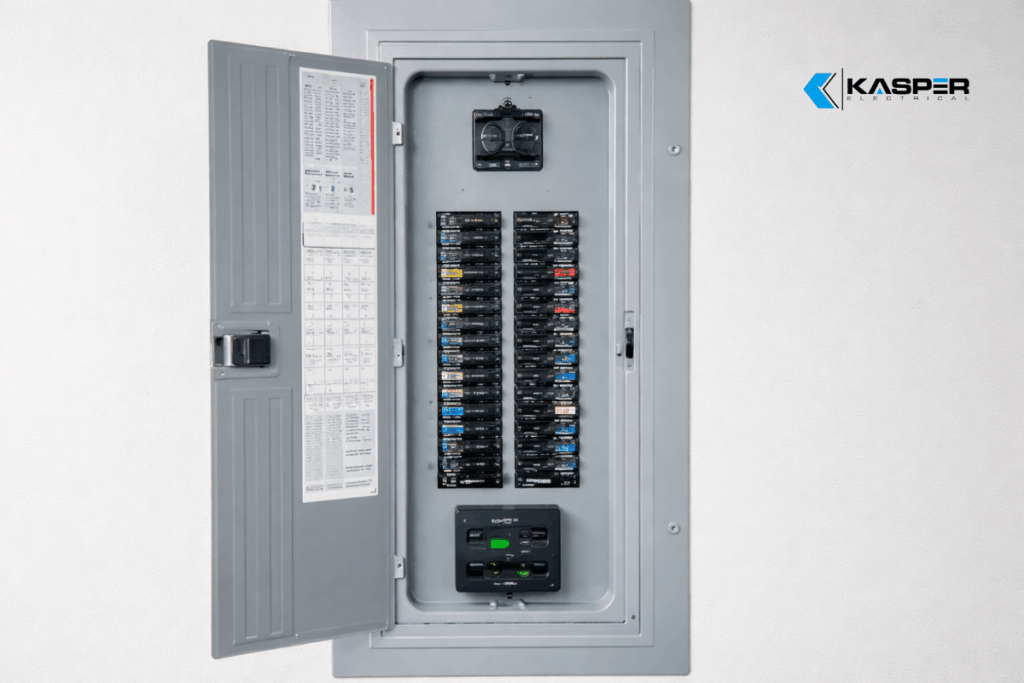
Your electrical panel is one of the most important systems in your home. It is also one of the most overlooked. Most panels are tucked away in a garage, utility room, or outside wall. Even so, they play a critical role every day. The panel sends electricity to every outlet, appliance, and device in your home.
When the panel works as it should, you rarely notice it. When it does not, problems can appear quickly. An outdated or overloaded panel can create safety risks and power issues throughout your home.
For homeowners considering an electrical panel upgrade in West Palm Beach, it helps to understand when an upgrade makes sense. Knowing what to look for can help you protect your home, improve performance, and plan for long-term value. This guide explains how electrical panels work, signs that a panel may be outdated, local South Florida concerns, and what to expect with breaker panel replacement and residential electrical panel cost.
What Does an Electrical Panel Do?
An electrical panel, also called a breaker panel or load center, is the central hub of your home’s electrical system. It receives power from the utility company and distributes electricity to the different circuits throughout your home. The panel also protects wiring and appliances from overloads by automatically shutting off power when a circuit becomes unsafe. Each circuit breaker is designed to trip if it detects too much electrical current, helping prevent overheating, electrical fires, and equipment damage. When an electrical panel is outdated or not properly sized for a home’s needs, these safety features may not work as intended.
Why Electrical Panels Become Outdated
Many homes in South Florida were built decades ago, before modern electrical demands became common. Older electrical panels were designed to support fewer appliances and much lower energy use. Over time, panels can become outdated due to increased use of high-powered appliances, home additions or renovations, and the installation of EV chargers, pools, or hot tubs. Aging components and corrosion caused by humidity also contribute to wear and reduced performance. In coastal areas like West Palm Beach, salt air and moisture can speed up this deterioration, making electrical panel upgrades especially important for long-term safety and reliability.
Signs You May Need a Breaker Panel Replacement
Not all electrical problems are obvious, but certain warning signs strongly indicate the need for a panel upgrade.
- Frequent Breaker Tripping- If breakers trip regularly, even under normal use, it may mean your panel cannot handle your home’s electrical load.
- Flickering or Dimming Lights- Lights that flicker when appliances turn on can signal overloaded circuits or failing breakers.
- Burning Smells or Warm Panels- Any heat, burning odor, or discoloration around the panel is a serious red flag and should be addressed immediately.
- Limited Capacity or No Room for New Circuits- If your panel is full and you are planning upgrades, a replacement may be the safest option.
- Use of Fuse Boxes or Obsolete Panel Brands- Older fuse panels or certain discontinued breaker panels may no longer meet safety standards.
Safety Risks of Old or Defective Electrical Panels
Outdated electrical panels are more than just an inconvenience. They can pose serious safety risks. According to the U.S. Consumer Product Safety Commission, older panels may fail to shut off during electrical overloads, which increases the risk of fires. Common risks include overheating wiring, higher fire hazards, damage to appliances and electronics, and failure to meet current electrical codes. For additional information about panel safety, homeowners can review the CPSC guidance on outdated electrical panels. Consumer Reports also emphasizes the importance of modern electrical systems in protecting homes from power surges and electrical failures.
South Florida Considerations: Why Location Matters
Location plays an important role when it comes to electrical panel needs in South Florida. Many homes in Palm Beach County and nearby areas were built 30 to 50 years ago, and even well-maintained properties may still rely on electrical panels that are no longer suitable for modern power demands. Electrical usage is also higher in this region, with air conditioning running year-round along with pools, electric ranges, home offices, and smart devices, all of which place added strain on older systems. In addition, Florida homes are frequently exposed to storms and power surges. Newer electrical panels are better equipped to work with whole-home surge protection, helping reduce storm-related damage and improve overall safety.
Benefits of an Electrical Panel Upgrade
A professional electrical panel upgrade in West Palm Beach offers both immediate and long-term advantages.
- Improved Safety- Modern panels meet current electrical codes and provide reliable circuit protection.
- Increased Capacity- Upgraded panels allow for additional circuits, making future home improvements easier.
- Better Energy Efficiency- New panels help distribute power more evenly, reducing strain on wiring and appliances.
- Home Value and Insurance Benefits- Updated electrical systems can increase resale value and may help meet insurance requirements.
Residential Electrical Panel Cost: What to Expect
One of the most common questions homeowners ask is about residential electrical panel cost. While pricing varies, understanding what influences cost can help set realistic expectations.
Factors That Affect Cost
Several factors can affect the cost of an electrical panel upgrade. These include the size of the panel, such as upgrading from 100 amps to 200 amps, the layout of the home, and how accessible the panel is for installation. Costs may also increase if service upgrades are required or if permits and inspections are needed, which is typically the case in South Florida to meet local and state codes. Additional work, such as grounding, surge protection, or rewiring, can also impact the total price. While upgrading an electrical panel is an investment, it is often far less expensive than repairing fire damage or replacing appliances damaged by electrical failure.
When an Upgrade Is Especially Worth It
A breaker panel replacement is often especially worthwhile in certain situations. An upgrade is commonly recommended if you are remodeling or adding square footage, installing new high-load equipment, or living in a home with a panel that is more than 25 to 30 years old. Recurring electrical issues or a failed insurance or home inspection can also signal the need for an upgrade. Addressing these concerns proactively can help prevent electrical emergencies and avoid costly disruptions in the future.
Why Professional Installation Matters
Electrical panel upgrades are not DIY projects. They require licensed electricians, knowledge of local codes, utility coordination, and proper permitting.
Improper installation can result in code violations, unsafe conditions, or denied insurance claims.
Working with a licensed professional ensures your upgrade is safe, compliant, and built to last. Learn more through our panel upgrades or general services page and explore options under Residential Services.
Final Thoughts: Is an Electrical Panel Upgrade Worth It?
For many homeowners, the answer is yes. An upgraded electrical panel improves safety, supports modern living, and prepares your home for future needs, especially in high-demand, storm-prone areas like South Florida.
If your panel is outdated, overloaded, or showing signs of failure, addressing it now can provide peace of mind and long-term savings. Understanding your options and working with a qualified professional makes all the difference.
Call us today at (561) 295-8483 to schedule a consultation.