EV Charger Installation at Home: What Palm Beach County Homeowners Need to Know
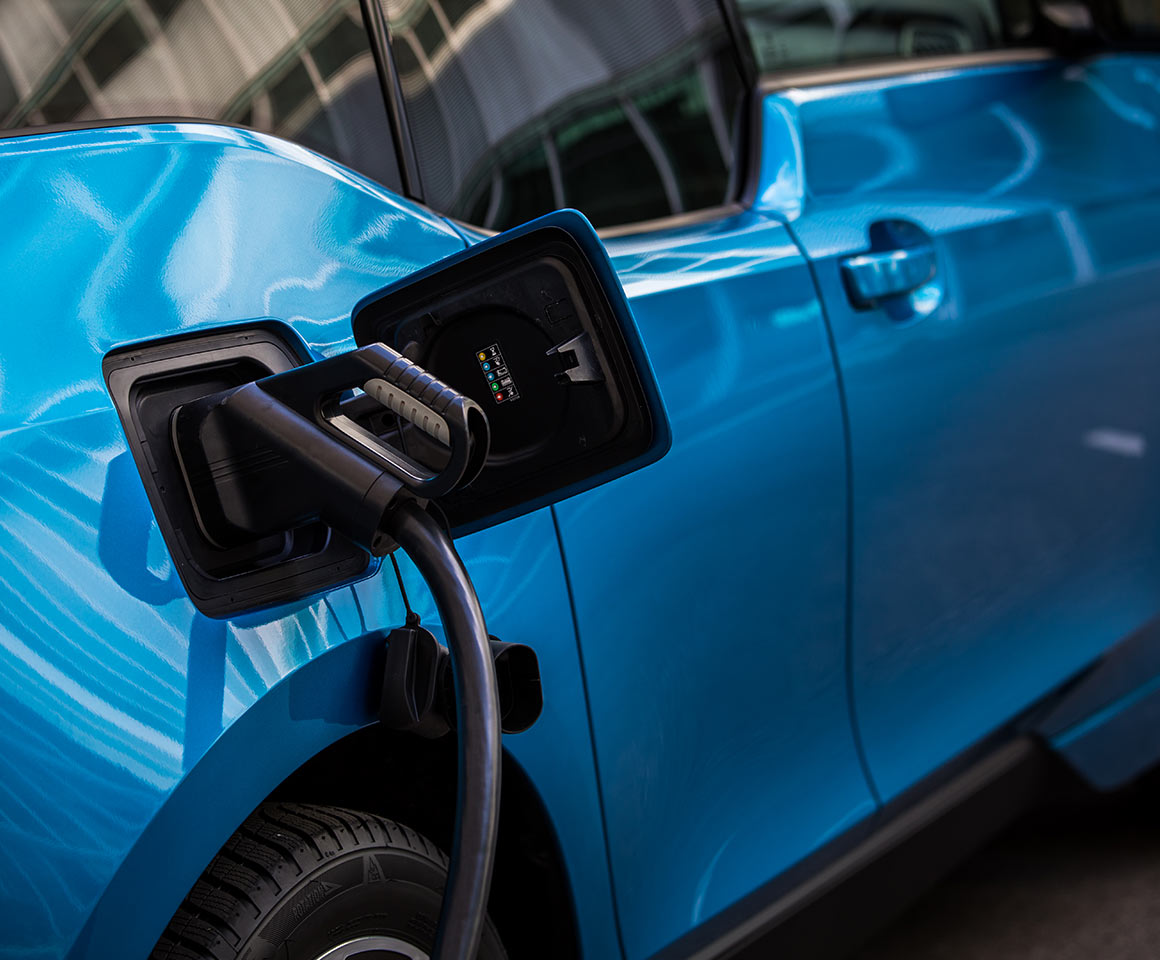
Installing a home EV charger is one of the most practical upgrades a homeowner can make after buying an electric vehicle. A professionally installed Level 2 charger dramatically reduces charging time, improves convenience, and helps homeowners avoid the hassle of relying on public charging. But before installation begins, it’s important to understand charger types, panel capacity, permitting, and placement.
Level 1 vs. Level 2 Charging
Most electric vehicles can charge using a standard household outlet, commonly referred to as Level 1 charging. While this works, it is slow. In many cases, Level 1 charging adds only a few miles of range per hour, which may be enough for very light daily driving but is not ideal for households with longer commutes or multiple drivers.
Level 2 charging uses a 240-volt circuit — similar to what powers a clothes dryer or range — and charges much faster. For most homeowners, Level 2 is the practical choice because it can typically recharge a vehicle overnight and support daily use without planning around charging windows.
Does Your Electrical Panel Have Enough Capacity?
This is one of the first questions a licensed electrician will evaluate. EV chargers draw a substantial amount of power, and depending on the charger’s amperage and the home’s existing load, your current panel may or may not have enough available capacity.
In many South Florida homes, especially older homes with 100-amp service, adding a Level 2 charger is the point at which the electrical system starts to feel undersized. If your home already has central air, pool equipment, newer appliances, and a modern entertainment or home office setup, a panel evaluation is essential before installing a charger.
In some cases, the answer is simple: your panel has room, and a dedicated 240-volt circuit can be added. In others, a service upgrade to 200 amps may be the right long-term solution. For more on that, see our guide: How Much Does an Electrical Panel Upgrade Cost in Palm Beach County?
Why a Dedicated Circuit Is Required
Home EV chargers should always be installed on a dedicated circuit. That means the charger is the only device served by that breaker. This is important for both safety and performance. EV chargers operate for long periods at substantial current, which makes them fundamentally different from a typical plug-in appliance.
A dedicated circuit reduces the risk of overload, helps ensure stable charging performance, and keeps the installation compliant with current electrical code.
Permits and Professional Installation
In Palm Beach County and surrounding municipalities, installing a permanent EV charger generally requires a permit. A licensed electrician handles the permitting process, installs the dedicated circuit, mounts the charger, and ensures the installation meets local code.
Skipping the permit may seem like a shortcut, but it creates unnecessary risk. Unpermitted work can affect insurance claims, resale disclosures, and future electrical upgrades.
Where Should the Charger Go?
The ideal location depends on your garage layout, parking habits, and the charger’s cable length. A good installation should make everyday charging easy — not something that requires backing into a specific corner or stretching the cable across a walkway every night.
Common placement options include:
- Interior garage wall near the vehicle parking position
- Exterior wall for driveway charging
- Carport support column or adjacent wall
A licensed electrician will also consider weather exposure, conduit routing, code-required clearances, and the practical goal of creating a setup that remains convenient over the long term.
Smart Chargers vs. Basic Chargers
Many modern Level 2 chargers offer app-based controls, charging schedules, utility rate tracking, and load management features. These can be useful, particularly for homeowners who want to charge during off-peak utility hours or monitor energy use.
That said, the best charger is not always the one with the most features. Reliability, compatibility with your vehicle, and a proper installation matter more than extra software if your primary goal is dependable overnight charging.
A Good Time to Think Ahead
For households planning additional electrical upgrades — such as a standby generator, panel upgrade, outdoor kitchen, or pool equipment improvements — EV charger installation is a good time to think strategically about the overall electrical plan. A licensed electrician can help make sure today’s charger installation supports tomorrow’s upgrades rather than complicating them.
For Palm Beach County homeowners, a properly installed home EV charger is a clean, convenient upgrade. The key is making sure the electrical system behind it is ready.
If you’re considering adding an EV charger to your home and have any questions, feel free to give us a call at (561) 295-8483.